From Click to Doorstep: A Step-by-Step Look at How Online Antiviral Orders Are Processed
The idea of ordering prescription antiviral medication online can feel unfamiliar, even uncertain, particularly for those doing it for the first time. Questions about legality, privacy, and reliability are entirely reasonable. What actually happens after you submit a request? Who reviews it? How is your information protected? And how long does the entire process take?
Understanding the mechanics of a legitimate online pharmacy order can replace anxiety with confidence. Below is a detailed breakdown of what occurs at each stage—from the moment you visit a platform like AcyclovirTabs to the moment a discreet package arrives at your door.
Stage One: The Online Consultation
Every legitimate online pharmacy that dispenses prescription medications in the United States is required by law to establish a valid prescriber-patient relationship before any medication can be issued. This process begins with a structured medical intake form or a live telehealth consultation, depending on the platform.
During this stage, you will typically be asked to provide:
- A description of your symptoms or diagnosis history
- Information about any current medications or known allergies
- Relevant medical background that might affect prescribing decisions
- Your shipping address and identity verification details
This is not a formality. Licensed healthcare providers—often physicians or nurse practitioners operating in your state—review the submitted information carefully. They are evaluating whether a medication such as acyclovir is clinically appropriate for your situation. If additional clarification is needed, the provider may follow up before issuing a prescription.
This step is what separates legitimate online pharmacies from gray-market operations. No prescription should ever be issued without a qualified medical review.
Stage Two: Prescription Issuance and Verification
Once a provider determines that treatment is appropriate, a prescription is generated electronically. In the United States, electronic prescriptions (e-prescriptions) are legally recognized in all 50 states and are transmitted directly to the pharmacy through secure, encrypted channels.
The pharmacy's internal team then verifies the prescription against a series of regulatory checkpoints:
- Confirming the prescriber's active licensure in the relevant state
- Checking for drug interactions based on your disclosed medication list
- Reviewing dosage appropriateness for the prescribed condition
- Cross-referencing your identity to prevent prescription fraud
This verification layer exists to protect you. It ensures that what you receive is not only the correct medication but also the correct formulation and dosage for your specific circumstances.
For antiviral medications used to manage herpes outbreaks—such as acyclovir—dosing can vary considerably depending on whether the prescription is intended for episodic treatment of an active outbreak or daily suppressive therapy. The verification stage catches any discrepancies before the order moves forward.
Stage Three: Dispensing and Quality Control
Once the prescription clears verification, it moves to the dispensing phase. A licensed pharmacist reviews the order a final time before it is filled. Medications are sourced from FDA-registered manufacturers and distributors, ensuring that what you receive meets federal quality and safety standards.
The dispensing process at reputable online pharmacies mirrors the standards upheld by traditional retail pharmacies—the primary difference is that everything occurs within a digitized, often faster workflow. There is no counter to wait at, no line to stand in, and no need to interact with pharmacy staff in person.
For patients managing a condition as sensitive as herpes, this aspect of online dispensing carries genuine value. The absence of face-to-face interaction removes a layer of social exposure that many people find difficult to navigate.
Stage Four: Discreet Packaging and Shipment
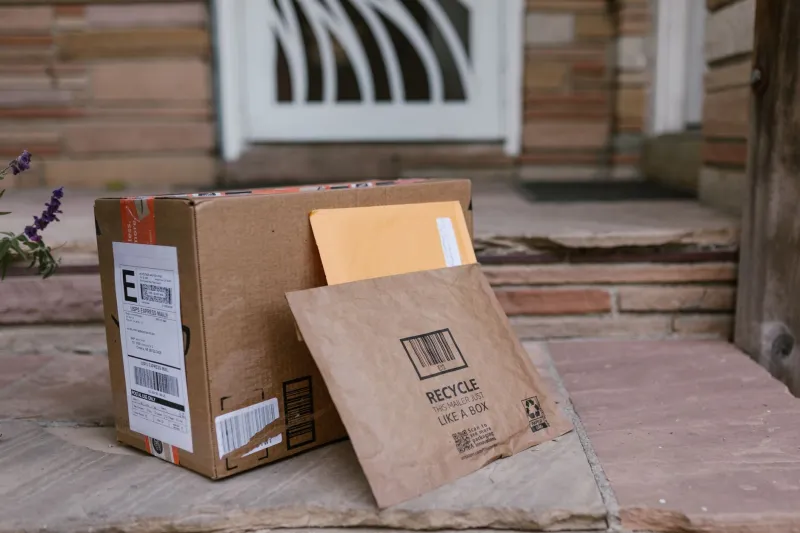
Privacy is a central concern for most patients ordering antiviral medications online, and reputable platforms take this seriously at the packaging level. Standard practice involves plain, unmarked outer packaging with no indication of the contents or the pharmacy's identity on the exterior label.
Shipping carriers used by legitimate online pharmacies in the US typically include USPS, UPS, and FedEx, with options for standard or expedited delivery. Depending on your location and the shipping tier you select, delivery windows generally range from two to five business days for standard orders, with overnight or two-day options available at additional cost.
Tracking information is provided via email or through your account dashboard, allowing you to monitor the package's progress without needing to contact customer support.
For patients in the middle of an active outbreak—where timing can meaningfully affect treatment outcomes—expedited shipping is worth considering. Antiviral medications like acyclovir are most effective when initiated early in the outbreak cycle, making rapid delivery a clinical priority, not merely a convenience.
Stage Five: Receipt, Storage, and What Comes Next
When your order arrives, the medication will typically be accompanied by printed dispensing information or a package insert. It is worth reviewing this material even if you have taken the medication before, as dosing instructions can differ based on whether you are managing an acute episode or following a suppressive regimen.
Proper storage matters. Acyclovir tablets should be kept at room temperature, away from moisture and direct light. Bathroom medicine cabinets, while convenient, are often too humid for long-term storage—a bedroom drawer or a dry kitchen cabinet is generally preferable.
If you have questions after receiving your order, most legitimate online pharmacies provide access to pharmacist support via secure messaging or phone. This resource is underused by many patients but can be invaluable for clarifying dosing schedules, managing mild side effects, or understanding when to seek additional care.
A Note on Legitimacy: How to Verify You Are Using a Licensed Pharmacy
Not every website offering prescription medications online operates within the bounds of US law. Before submitting any personal or health information, it is prudent to confirm the following:
- The pharmacy is licensed and verified by the National Association of Boards of Pharmacy (NABP)
- A licensed US-based prescriber is involved in the consultation process
- The site does not offer to sell prescription medications without a valid prescription
- Contact information, including a physical address and a licensed pharmacist on staff, is clearly disclosed
Platforms that skip the consultation step or promise instant prescriptions without medical review should be avoided. These operations not only violate federal law but also pose a direct risk to patient safety.
The Larger Picture
For Americans managing herpes or other viral infections, access to antiviral treatment has historically been complicated by stigma, logistical barriers, and a reluctance to discuss symptoms openly with a provider. Online pharmacies operating within a legitimate regulatory framework represent a meaningful shift in how that access can be structured.
The process, when carried out correctly, is methodical, private, and legally sound. From consultation to delivery, every stage is designed to ensure that you receive the right medication, at the right dose, in the shortest reasonable time—without compromising your privacy or your safety.
Understanding that process is often the first step toward using it with confidence.