Ready When It Matters: How Thoughtful Antiviral Storage Becomes Your First Line of Defense

Most conversations about antiviral therapy focus on the medication itself — the dosage, the timing, the clinical outcomes. Far less attention is paid to a factor that quietly shapes treatment success every single day: where and how you store your medication at home.
For individuals managing herpes simplex virus (HSV-1 or HSV-2), the window between the first prodromal signal — that familiar tingling, localized warmth, or subtle skin sensitivity — and the onset of a full outbreak can be remarkably short. Research consistently demonstrates that initiating antiviral therapy within the first 24 to 48 hours of symptom onset produces the best outcomes in terms of outbreak duration and severity. What often stands between a patient and timely treatment is not a lack of prescription access, but something far more mundane: the medication simply wasn't where it needed to be.
Strategic storage is not a minor logistical detail. It is, in practical terms, an extension of your treatment plan.
The Temperature Problem Most Patients Overlook
Acyclovir and its related antivirals are stable medications under the right conditions, but "the right conditions" are more specific than many people assume. The standard guidance from pharmaceutical manufacturers recommends storing these medications at controlled room temperature — generally between 68°F and 77°F (20°C to 25°C), with brief excursions permitted up to 86°F.
This guidance matters in ways that are easy to underestimate in everyday American households. Bathrooms, despite being the most intuitive location for a medicine cabinet, are frequently poor storage environments. Steam from showers and baths creates cyclical humidity and temperature fluctuations that can degrade tablet integrity over time. Kitchens carry similar risks near stoves, dishwashers, and windows that receive direct afternoon sunlight.
Bedroom nightstands or dedicated dresser drawers — away from exterior walls that absorb outdoor temperature extremes — tend to offer more consistent conditions. In warmer climates, particularly during summer months in states like Texas, Florida, or Arizona, air-conditioned interiors are essential. Leaving medication in a car, even briefly, can expose it to temperatures that compromise efficacy.
The simple habit of checking where you actually keep your medication — and whether that location holds a stable temperature year-round — is a worthwhile exercise that many patients have never undertaken.
Accessibility as a Clinical Variable
There is a subtle but real psychological dynamic at play in outbreak management: the harder it is to access medication, the more likely a patient is to delay taking it.
This delay is rarely conscious. It manifests as a rationalization — "I'll wait and see if this is actually something," or "I'll take it in the morning when I can think more clearly." But in the context of antiviral therapy, waiting has measurable consequences. Every hour between symptom onset and first dose represents a narrowing of the therapeutic window.
Having medication stored in a location that is immediately accessible — not buried under unrelated items in a bathroom cabinet, not in a bag in another room, not something you have to search for — removes friction from the decision to act. Patients who can reach for their medication within seconds of recognizing a prodromal symptom are patients who treat earlier. Earlier treatment correlates with milder outbreaks.
Consider designating a single, consistent location specifically for your antiviral supply. Label the space mentally as your "outbreak drawer" or equivalent. Know exactly how many tablets remain at any given time. Reorder before you run out rather than after — a practice that online pharmacy services like AcyclovirTabs facilitate through discreet, direct-to-door delivery that keeps your supply continuous without requiring pharmacy visits.
Discreet Storage in Shared Living Environments
Not everyone lives alone, and privacy concerns around medication are legitimate and common. Roommates, family members, romantic partners who are not yet aware of a diagnosis, or simply the general desire for medical privacy — all of these are valid reasons to think carefully about where and how medication is stored in a shared household.
Several approaches balance accessibility with discretion effectively:
Opaque, lockable containers placed within a drawer or on a shelf offer a practical solution. Small combination lock boxes designed for medication storage are widely available and draw no particular attention.
Standard organizational items — like a toiletry bag kept in a personal drawer or a bedside organizer — can hold medication without signaling anything specific to a casual observer. The medication's packaging can be removed and replaced with a plain pill organizer if the original label feels too visible.
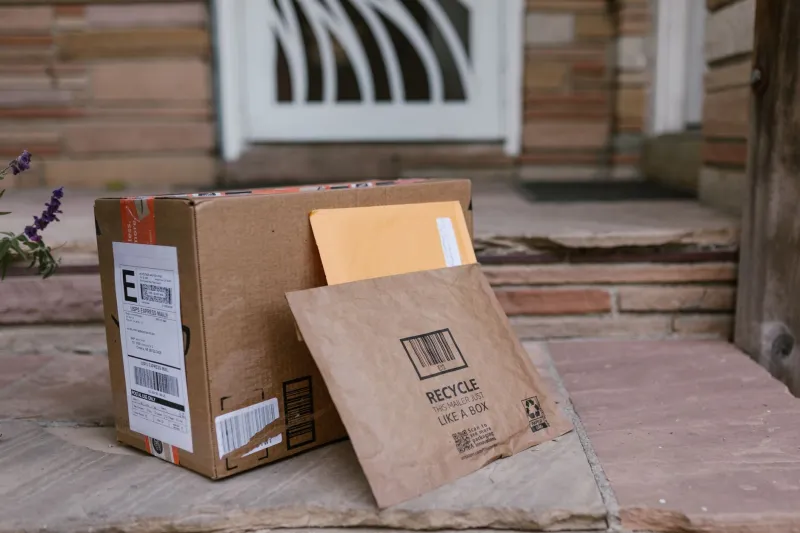
Digital pharmacy packaging from services like AcyclovirTabs typically arrives in plain, unmarked packaging by design, which already removes one layer of visibility from the equation. Retaining that packaging or transferring medication to a small, personal container can maintain that discretion at home.
The goal is to find a storage approach that you will actually use consistently — one that doesn't require you to make a decision about privacy every time you need your medication.
Travel-Ready Preparedness: Never Being Caught Off Guard
Outbreaks do not schedule themselves around convenient timing. Stress — one of the most well-documented outbreak triggers — is also one of the most common features of travel, whether for work or personal reasons. Business trips, family visits, and vacations all create conditions that can increase outbreak likelihood while simultaneously removing a patient from their established home routine.
Building a travel-ready antiviral kit is a straightforward but underutilized strategy. A small, dedicated travel case containing a several-day supply of medication — stored in a cool, dry location within your luggage or carry-on — ensures that treatment is available regardless of your location. TSA regulations permit prescription medications in carry-on bags; keeping the original pharmacy label on the bottle or carrying a copy of your prescription can smooth any security interactions.
For patients who travel frequently, discussing a slightly larger prescription supply with their prescribing provider — or maintaining a separate travel supply that is periodically refreshed — can eliminate the anxiety of wondering whether medication is accessible during high-stress periods away from home.
Inventory Awareness as Preventive Practice
One of the most avoidable failures in outbreak management is simply running out of medication. This happens with surprising frequency, particularly among patients who take medication episodically rather than on a daily suppressive schedule.
A straightforward inventory habit — checking your supply weekly, noting when you are down to a five- to seven-day reserve, and initiating a refill at that point rather than at zero — prevents the scenario in which symptoms appear and medication is unavailable. Online pharmacy platforms streamline this process considerably, allowing patients to request refills from home without scheduling appointments or visiting a physical location.
Setting a recurring calendar reminder on your phone to check your medication supply takes approximately thirty seconds to establish and can prevent an outcome that no amount of clinical knowledge will fix: having the right medication, but not having it with you.
The Quiet Confidence of Being Prepared
There is an underappreciated psychological dimension to medication preparedness that extends beyond logistics. Patients who know their medication is accessible, properly stored, and adequately stocked report a measurable reduction in the background anxiety that often accompanies a herpes diagnosis. The knowledge that you can respond immediately — that an outbreak does not require a scramble — shifts the dynamic from reactive helplessness to informed readiness.
That shift matters. Chronic stress is itself a documented outbreak trigger, and the anxiety of being unprepared can become self-reinforcing. Building a reliable, accessible, discreet storage system is therefore not merely an organizational exercise. It is a low-effort, high-return investment in your overall management of this condition.
The medication in your drawer is only as effective as your ability to reach it when it counts. Make sure it is exactly where you need it to be.